



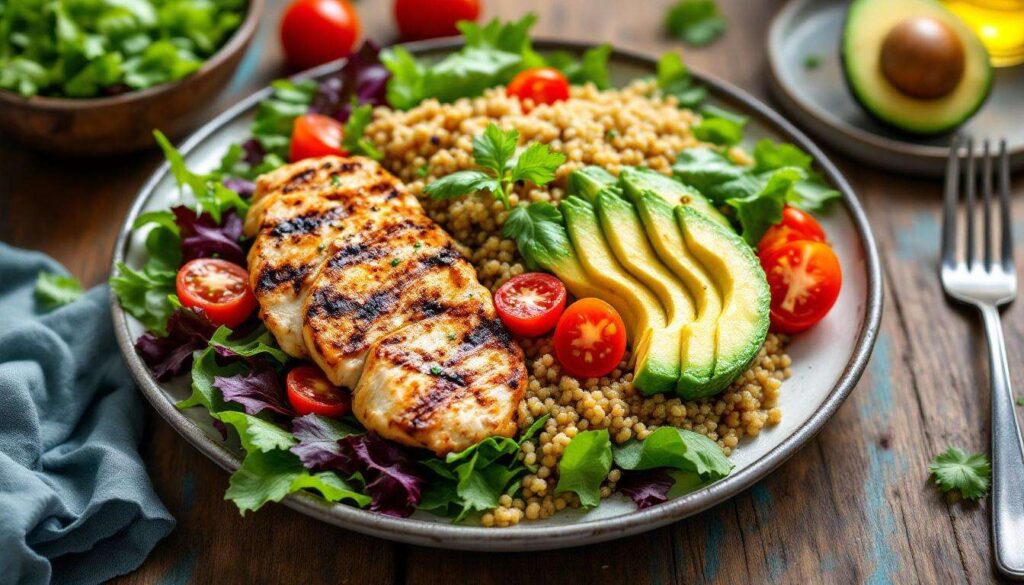
Balancing nutrition with time efficiency remains a priority for many households seeking healthier eating patterns without compromising their busy schedules. High-fiber, low-calorie dinners offer an effective solution by combining essential nutrients with manageable preparation times. These meals support digestive health, promote sustained energy levels, and contribute to weight management goals while fitting seamlessly into weeknight routines. The following collection presents practical recipes and strategies for creating satisfying dinners that require minimal time investment yet deliver maximum nutritional value.
The Benefits of a High-Fiber, low-Calorie Dinner
Enhanced Digestive Function and Satiety
Fiber plays a crucial role in maintaining optimal digestive health by promoting regular bowel movements and supporting beneficial gut bacteria. Meals rich in dietary fiber create a feeling of fullness that extends beyond the initial eating period, reducing the likelihood of late-night snacking or overconsumption. This satiety effect occurs because fiber-rich foods take longer to digest, stabilizing blood sugar levels and preventing the energy crashes associated with refined carbohydrates.
Weight Management Support
Low-calorie dinners that incorporate substantial fiber content provide volume without excessive energy intake. This combination allows individuals to enjoy generous portions while maintaining caloric control. The following benefits contribute to effective weight management:
- Reduced overall calorie consumption throughout the day
- Decreased cravings for high-calorie snacks
- Improved metabolic function through sustained nutrient delivery
- Enhanced fat oxidation during rest periods
Cardiovascular and Metabolic Health
Research consistently demonstrates that high-fiber diets correlate with reduced cardiovascular disease risk. Soluble fiber specifically helps lower LDL cholesterol levels by binding to cholesterol particles in the digestive system. Additionally, these dietary patterns support healthy blood pressure regulation and reduce inflammation markers throughout the body.
| Health Benefit | Fiber Type | Primary Effect |
|---|---|---|
| Cholesterol Reduction | Soluble Fiber | Binds bile acids |
| Blood Sugar Control | Both Types | Slows glucose absorption |
| Weight Management | Insoluble Fiber | Increases fullness |
Understanding these physiological advantages provides motivation for incorporating fiber-rich ingredients into evening meals, setting the foundation for exploring specific recipe options that deliver these benefits efficiently.
Selection of Quick-To-Prepare Recipes
Bean-Based Dinner Solutions
Legumes serve as exceptional foundations for rapid meal preparation due to their versatility and nutritional density. White bean skillets combine canned beans with fresh vegetables and aromatic herbs, creating complete meals in under twenty minutes. These dishes provide approximately 12-15 grams of fiber per serving while maintaining calorie counts below 350. Chickpea-based soups offer similar advantages, requiring only basic pantry staples and minimal active cooking time.
Grain and Vegetable Combinations
Whole grain pasta dishes paired with fiber-rich vegetables deliver satisfying textures and flavors without extended preparation periods. Orzo salads incorporating broccoli, peas, and lean proteins create balanced meals that can be served warm or cold. The following components ensure nutritional adequacy:
- Whole wheat or legume-based pasta varieties
- Cruciferous vegetables for added fiber content
- Light dressings based on citrus or vinegar
- Optional protein additions like tuna or chickpeas
Fresh Salad Assemblies
Chopped salads featuring diverse vegetable selections provide maximum nutrient density with minimal cooking requirements. Italian-style vinaigrettes enhance flavors without adding excessive calories, while combinations of raw and lightly cooked vegetables offer textural variety. These preparations typically contain 8-10 grams of fiber and fewer than 250 calories per generous serving.
These recipe categories demonstrate that nutritious dinners need not require elaborate techniques or extended time commitments, particularly when focusing on plant-based ingredients that naturally align with dietary goals.
Vegetarian Options for a Light and Nutritious Meal
Butter Bean and Vegetable Preparations
Butter beans provide a creamy texture that mimics richer ingredients while delivering substantial fiber and plant-based protein. Broccoli-cheddar butter bean dishes combine the nutritional benefits of cruciferous vegetables with the satisfying mouthfeel of legumes. These preparations require approximately 25 minutes from start to finish and offer complete amino acid profiles when paired with whole grains.
Pasta Dishes with Green Additions
Pesto-based pasta preparations incorporating peas and tomatoes create vibrant, satisfying meals that appeal to various taste preferences. The combination of basil pesto with fresh vegetables provides healthy fats alongside fiber, supporting nutrient absorption. Key preparation elements include:
- Using whole grain or chickpea pasta for increased fiber
- Adding frozen peas directly to cooking pasta water
- Incorporating cherry tomatoes for lycopene content
- Finishing with nutritional yeast for umami flavor
Marinated Vegetable Salads
Herb-marinated chickpea and vegetable salads offer refreshing alternatives to cooked meals while maintaining high fiber content. These preparations benefit from brief marination periods that enhance flavor penetration without requiring heat application. The acidic components in marinades also support mineral absorption from plant-based ingredients.
| Recipe Type | Fiber Content | Calorie Range | Prep Time |
|---|---|---|---|
| Butter Bean Skillet | 14g | 320-350 | 22 minutes |
| Pesto Pasta | 11g | 380-420 | 18 minutes |
| Chickpea Salad | 13g | 280-310 | 15 minutes |
These vegetarian selections demonstrate that plant-based meals can provide complete nutrition without animal products, though some individuals may prefer incorporating lean proteins to meet specific dietary requirements.
Incorporating Proteins into Your High-Fiber Menus
Legume-Based Protein Sources
Chickpeas, lentils, and various bean varieties supply substantial protein quantities alongside their fiber content. A single cup of cooked chickpeas provides approximately 15 grams of protein and 12 grams of fiber, making them ideal centerpieces for quick dinners. These legumes absorb flavors readily, allowing for diverse seasoning approaches that prevent meal monotony.
Lean Animal Protein Additions
Canned tuna represents a convenient protein source requiring zero cooking time. Orzo salads incorporating tuna with broccoli and lemon dressing deliver complete meals with balanced macronutrient profiles. Other quick-cooking proteins include:
- Pre-cooked chicken breast strips
- Canned salmon for omega-3 fatty acids
- Quick-cooking shrimp requiring 3-4 minutes
- Eggs prepared in various styles within minutes
Combining Protein Sources for Optimal Nutrition
Pairing complementary plant proteins creates complete amino acid profiles without relying on animal products. Combining legumes with whole grains, such as chickpeas with quinoa or beans with brown rice, ensures all essential amino acids are present in adequate quantities. This approach supports muscle maintenance and metabolic function while adhering to high-fiber, low-calorie parameters.
Understanding protein integration strategies enables the creation of satisfying meals that support various dietary preferences and nutritional requirements, while efficient cooking techniques ensure these preparations remain time-appropriate for busy schedules.
Tips to Optimize Your Cooking Time
Strategic Ingredient Preparation
Advance preparation significantly reduces active cooking time during busy evenings. Washing and chopping vegetables during less hectic periods allows for rapid assembly when needed. Storing prepared ingredients in transparent containers facilitates quick identification and access. Pre-portioning grains and legumes into meal-sized quantities further streamlines the cooking process.
Pantry Organization and Stocking
Maintaining a well-organized pantry with essential high-fiber ingredients readily available eliminates decision-making delays. Key items to keep stocked include:
- Canned beans in various varieties (chickpeas, white beans, black beans)
- Whole grain pasta and quick-cooking grains
- Canned tomatoes and tomato paste
- Dried herbs and spice blends
- Vinegars and citrus for quick dressings
- Frozen vegetables for instant additions
Efficient Cooking Techniques
Utilizing one-pot methods and simultaneous cooking processes maximizes efficiency. Boiling pasta water while chopping vegetables, or sautéing aromatics while grains cook, reduces total preparation time. Sheet pan dinners allow multiple components to cook concurrently with minimal supervision.
Batch Cooking Strategies
Preparing larger quantities of base ingredients during available time creates building blocks for multiple meals. Cooking several cups of quinoa or brown rice at once provides ready foundations for various dinner combinations throughout the week. Similarly, roasting large batches of vegetables offers versatile components that integrate into different dishes.
| Strategy | Time Saved | Application |
|---|---|---|
| Pre-chopped vegetables | 10-15 minutes | Salads, stir-fries, soups |
| Batch-cooked grains | 15-20 minutes | Bowls, salads, sides |
| Pre-portioned proteins | 5-8 minutes | Quick additions |
High-fiber, low-calorie dinners prepared in thirty minutes or less represent achievable goals for health-conscious individuals managing demanding schedules. The recipes and strategies outlined demonstrate that nutritious eating need not require extensive time investments or culinary expertise. By focusing on fiber-rich ingredients like legumes, whole grains, and diverse vegetables, these meals support digestive health, weight management, and overall wellness. Strategic preparation techniques, organized pantries, and efficient cooking methods transform quick meal preparation from challenging obligation into manageable routine. Implementing these approaches creates sustainable eating patterns that prioritize both nutrition and practicality, proving that health-conscious choices align seamlessly with contemporary lifestyles.