



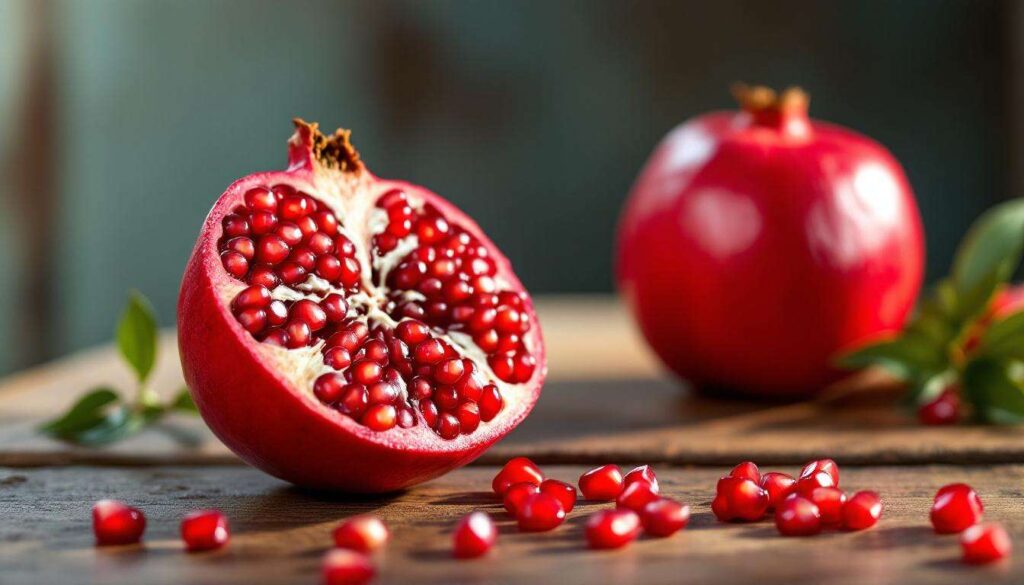
Pomegranates have captivated health enthusiasts and culinary experts alike with their jewel-like seeds and remarkable nutritional profile. These ruby-red fruits pack a powerful punch of vitamins, minerals, and antioxidants that can transform both your plate and your well-being. Understanding the most effective ways to consume this ancient superfood ensures you maximize its health-promoting properties while enjoying its distinctive sweet-tart flavor. From breakfast bowls to dinner entrees, pomegranates offer versatile options for incorporating more nutrients into your daily routine.
The health benefits of pomegranate
Exceptional antioxidant content
Pomegranates contain punicalagins, powerful antioxidants that demonstrate three times the antioxidant activity of red wine and green tea combined. These compounds work to neutralize free radicals in the body, protecting cells from oxidative stress and potentially reducing the risk of chronic diseases. The deep crimson color of pomegranate arils signals their rich concentration of polyphenols, which contribute significantly to their health-protective properties.
Comprehensive nutritional profile
A single cup of pomegranate arils, weighing approximately 174 grams, delivers an impressive array of essential nutrients:
| Nutrient | Amount per Cup | Percentage of RDI |
|---|---|---|
| Vitamin C | 16.3 mg | 30% |
| Vitamin K | 28.8 mcg | 36% |
| Folate | 66 mcg | 16% |
| Potassium | 411 mg | 12% |
Cardiovascular and inflammatory support
Regular consumption of pomegranates may contribute to heart health through multiple mechanisms. The fruit’s compounds have been associated with improved blood pressure levels and enhanced arterial function. Additionally, pomegranates possess anti-inflammatory properties that may help reduce inflammation markers throughout the body, supporting overall wellness and potentially lowering the risk of inflammation-related conditions.
Understanding these remarkable benefits sets the foundation for exploring practical methods to incorporate this superfood into your eating habits.
How to prepare and deseed a pomegranate easily
The water bowl method
The most efficient technique for extracting pomegranate arils involves using a bowl of water to minimize mess and simplify the process. Begin by cutting the pomegranate in half horizontally, then submerge each half in a large bowl filled with cold water. Gently break apart the fruit underwater, using your fingers to separate the arils from the white membrane. The seeds will sink to the bottom while the bitter membrane floats to the surface, making separation effortless and keeping your kitchen clean.
Scoring and sectioning technique
For those who prefer a drier approach, the scoring method offers excellent results:
- Score the pomegranate skin into quarters without cutting too deeply into the arils
- Place your thumbs in the center and gently pull the fruit apart along the scored lines
- Hold each section over a bowl and tap the back firmly with a wooden spoon
- The arils will fall out cleanly while the membrane remains intact
Storage considerations for fresh arils
Once extracted, pomegranate arils can be stored in an airtight container in the refrigerator for up to five days. For longer preservation, spread the arils on a baking sheet, freeze them until solid, then transfer to freezer bags where they’ll maintain their quality for up to three months. This preparation strategy ensures you always have pomegranate ready to enhance your meals.
With properly prepared arils at your disposal, you can now explore creative ways to integrate them into various dishes throughout the day.
Incorporating pomegranate in your daily meals
Breakfast enhancements
Starting your morning with pomegranate adds both nutrition and visual appeal to traditional breakfast fare. Sprinkle arils over oatmeal or yogurt parfaits to create a burst of flavor and texture contrast. The seeds also work beautifully atop avocado toast, where their sweetness balances the creamy richness of the avocado. For a more indulgent option, incorporate pomegranate into pancake batter or use as a topping alongside maple syrup for a sophisticated twist on a classic dish.
Salad and side dish applications
Pomegranate arils elevate salads from ordinary to extraordinary with their crunchy texture and jewel-like appearance. They pair exceptionally well with:
- Mixed greens with goat cheese and walnuts
- Quinoa salads featuring cucumber and fresh herbs
- Roasted vegetable medleys with Brussels sprouts or butternut squash
- Grain bowls combining farro or bulgur with roasted chickpeas
Main course integrations
Adding pomegranate to protein-based dishes creates sophisticated flavor profiles that impress both family and guests. Scatter arils over grilled chicken or fish just before serving to provide a sweet-tart accent that complements savory seasonings. The seeds work particularly well in Middle Eastern-inspired dishes, such as lamb tagines or chicken shawarma bowls. For vegetarian options, pomegranate enhances stuffed peppers, lentil stews, and tofu stir-fries with its distinctive flavor.
Beverage and smoothie additions
Blending pomegranate arils into smoothies enriches drinks with antioxidants and natural sweetness. Combine them with berries, banana, and spinach for a nutrient-dense breakfast drink. For mocktails, muddle fresh arils with mint and lime, then top with sparkling water for a refreshing alcohol-free beverage. Pomegranate juice can also be frozen into ice cubes to add flavor to plain water throughout the day.
Dessert and sweet applications
Pomegranate transforms simple desserts into elegant presentations. Sprinkle arils over chocolate mousse, panna cotta, or cheesecake for color contrast and textural interest. The seeds can be folded into fruit compotes, used as a topping for ice cream, or incorporated into homemade granola bars for a nutritious sweet treat.
Beyond culinary uses, pomegranate offers specific benefits for skin health that deserve attention.
Consuming pomegranate for glowing skin
Internal consumption for skin benefits
The high vitamin C content in pomegranates supports collagen production, which maintains skin elasticity and reduces the appearance of fine lines. Regular consumption of pomegranate arils or juice provides antioxidants that protect skin cells from environmental damage caused by UV radiation and pollution. The anti-inflammatory compounds found in pomegranates may also help reduce skin redness and promote a more even complexion when consumed as part of a balanced diet.
Hydration and nutrient delivery
Pomegranates contain significant water content along with essential minerals that support skin hydration from within. The potassium present in pomegranate helps maintain proper cellular fluid balance, contributing to plump, well-hydrated skin. Additionally, the folate content supports cell regeneration, promoting healthy skin cell turnover for a fresh, radiant appearance.
Optimal consumption patterns for skin health
To maximize skin benefits, incorporate half a cup of pomegranate arils into your daily routine, either as a snack or added to meals. Consistency matters more than quantity, so regular moderate consumption proves more effective than occasional large servings. Pairing pomegranate with healthy fats, such as nuts or avocado, enhances the absorption of fat-soluble nutrients that support skin health.
While pomegranate offers numerous benefits, understanding potential risks ensures safe consumption for everyone.
Potential risks and precautions to take
Medication interactions
Pomegranate can interact with certain medications, particularly those metabolized by liver enzymes. Individuals taking blood pressure medications should exercise caution, as pomegranate may enhance their effects and potentially lower blood pressure too much. The fruit can also interact with statins and blood thinners, so anyone on these medications should consult their healthcare provider before significantly increasing pomegranate consumption.
Allergic reactions and sensitivities
Though rare, some individuals may experience allergic reactions to pomegranate. Symptoms can include:
- Itching or swelling of the mouth and throat
- Skin rashes or hives
- Digestive discomfort or nausea
- Difficulty breathing in severe cases
Anyone experiencing these symptoms after consuming pomegranate should discontinue use and seek medical advice.
Digestive considerations
The high fiber content in pomegranate arils, while generally beneficial, may cause digestive upset in some individuals when consumed in large quantities. Starting with smaller portions allows your digestive system to adjust gradually. People with sensitive stomachs or conditions like irritable bowel syndrome should introduce pomegranate slowly to assess tolerance.
Armed with this safety knowledge, you can confidently apply practical strategies to enjoy pomegranate’s benefits.
Practical tips for enjoying the virtues of pomegranate
Selecting and storing whole fruits
Choose pomegranates that feel heavy for their size, indicating juicy arils inside. The skin should be firm and free from cracks or soft spots. Color varies by variety, so don’t rely solely on deep red coloring as an indicator of ripeness. Whole pomegranates can be stored at room temperature for up to one week or refrigerated for up to two months, making them a convenient fruit to keep on hand.
Maximizing nutritional value
To preserve the maximum antioxidant content, consume pomegranate arils fresh rather than cooked when possible. If making pomegranate juice at home, include some of the white pith, which contains beneficial compounds despite its bitter taste. Avoid adding sugar to pomegranate preparations, as the natural sweetness provides sufficient flavor while keeping the nutritional profile optimal.
Creative preservation methods
Beyond freezing whole arils, consider making pomegranate molasses by reducing pomegranate juice until thick and syrupy. This concentrated form can be drizzled over roasted vegetables or used in salad dressings. Pomegranate arils can also be dehydrated to create a portable snack or dried and ground into a powder for adding to smoothies and baked goods.
Portion guidance for optimal benefits
A serving size of half to one cup of arils provides substantial nutrients without excessive calories. This amount can be divided throughout the day or consumed in a single sitting based on personal preference. For those watching sugar intake, limiting consumption to half a cup daily balances the fruit’s natural sugars with its beneficial compounds.
Pomegranates stand out as a nutritional powerhouse that deserves a regular place in health-conscious diets. Their impressive antioxidant content, comprehensive vitamin and mineral profile, and versatile culinary applications make them an accessible superfood for diverse eating patterns. Whether sprinkled over breakfast oats, blended into smoothies, tossed into salads, or incorporated into main dishes, pomegranate arils enhance both nutrition and flavor. The fruit’s benefits extend beyond internal health to support glowing skin when consumed regularly. While most people can safely enjoy pomegranates, those taking certain medications should consult healthcare providers before significantly increasing intake. By selecting quality fruits, preparing them efficiently, and incorporating them creatively into meals, you can harness the full spectrum of pomegranate’s health-promoting properties while enjoying its distinctive taste and visual appeal.