



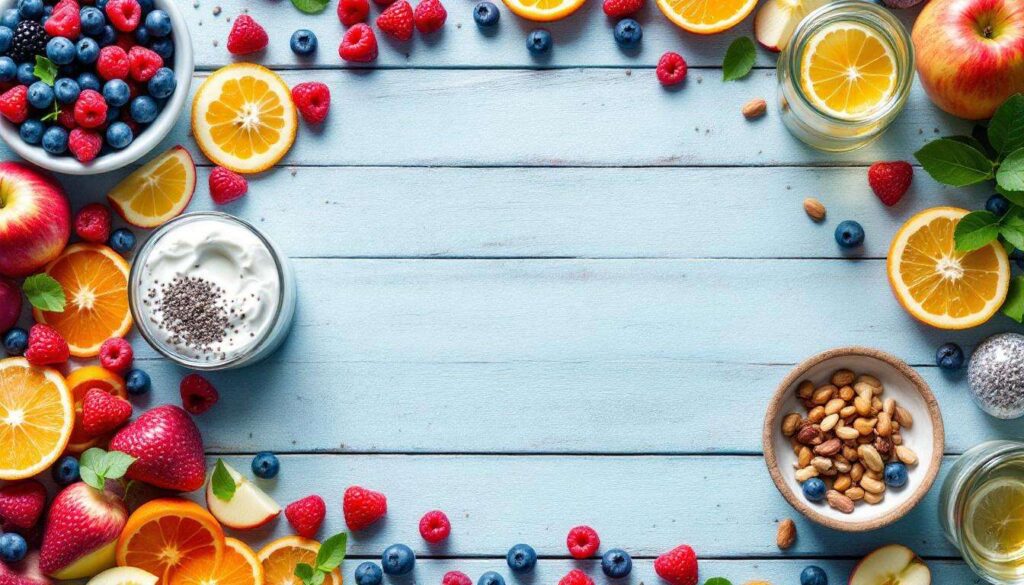
Breaking free from sugar addiction doesn’t mean sacrificing flavor or satisfaction. With strategic snack choices, you can curb cravings while supporting your health goals. The right low-calorie options provide sustained energy without the blood sugar spikes that leave you reaching for more sweets. These nine snacks offer delicious alternatives that make reducing sugar intake not just possible, but genuinely enjoyable.
The benefits of a sugar-free diet
Metabolic improvements and stable energy
Adopting a sugar-free lifestyle transforms how your body processes fuel. When you eliminate refined sugars, your blood glucose levels stabilize, preventing the dramatic peaks and valleys that characterize typical eating patterns. This stabilization translates directly into consistent energy throughout the day, eliminating the mid-afternoon crashes that send many people searching for sugary pick-me-ups.
| Health marker | With high sugar intake | With reduced sugar |
|---|---|---|
| Blood glucose stability | Fluctuating | Steady |
| Energy levels | Peaks and crashes | Sustained |
| Metabolic efficiency | Compromised | Optimized |
Enhanced mental clarity and emotional balance
The connection between sugar consumption and cognitive function is increasingly documented. Reducing sugar intake supports better concentration and may decrease the risk of cognitive decline. Beyond mental sharpness, a low-sugar diet contributes to emotional stability, as blood sugar fluctuations directly influence mood regulation and stress responses.
Improved sleep quality and circadian rhythm
Sugar consumption, particularly in the evening hours, disrupts natural sleep cycles. A sugar-limited diet helps restore proper circadian rhythm balance, leading to deeper, more restorative rest. Better sleep quality creates a positive feedback loop, as adequate rest reduces cravings for quick energy sources like refined sugars.
Understanding these benefits provides motivation for exploring satisfying alternatives that don’t compromise health goals.
Natural ingredients for healthy snacks
Whole food foundations
The most effective sugar-free snacks rely on ingredients that nature provides in their complete form. These whole foods deliver nutrients, fiber, and satisfaction without requiring added sweeteners. Building snacks around these components ensures both nutritional value and genuine satiety.
- Nuts and seeds: almonds, walnuts, chia seeds, and pumpkin seeds provide healthy fats and protein
- Fresh fruits: berries, apples, and citrus offer natural sweetness with fiber
- Vegetables: sweet potatoes, carrots, and bell peppers add nutrients and texture
- Greek yogurt: delivers protein and probiotics without excess sugar
- Whole grains: oats and quinoa provide sustained energy and versatility
Natural sweetness without refined sugar
Satisfying a sweet tooth doesn’t require refined sugar when you harness the natural sweetness of whole foods. Fruits contain fructose paired with fiber, which moderates absorption and prevents blood sugar spikes. Sweet vegetables like sweet potatoes offer complex carbohydrates that provide gradual energy release rather than the immediate rush associated with processed sugars.
Flavor enhancers and spices
Creating compelling flavors without sugar requires strategic use of spices and extracts. Cinnamon, vanilla extract, nutmeg, and cocoa powder add depth and perceived sweetness without calories or sugar content. These ingredients transform simple preparations into satisfying treats that don’t feel like compromises.
With the right ingredients identified, the next step involves putting them into practice through specific preparations.
Savory snack recipes to limit sugar
Protein-rich options for sustained satisfaction
Savory snacks naturally contain minimal sugar while providing lasting fullness. Hard-boiled eggs seasoned with paprika or everything bagel seasoning deliver complete protein in a portable format. Roasted chickpeas tossed with olive oil and spices create a crunchy alternative to chips with added fiber and plant-based protein.
Vegetable-based preparations
Vegetables transform into satisfying snacks with minimal preparation. Cucumber slices topped with hummus provide hydration, fiber, and healthy fats. Bell pepper strips paired with guacamole offer vitamins, minerals, and heart-healthy monounsaturated fats. These combinations deliver volume and nutrition with remarkably low calorie counts.
- Celery sticks with almond butter: combines crunch with protein and healthy fats
- Cherry tomatoes with mozzarella: provides the classic caprese flavor profile
- Zucchini chips baked with parmesan: creates a crispy, savory alternative to potato chips
- Edamame sprinkled with sea salt: offers plant protein and satisfying texture
Nut and seed combinations
Creating custom trail mixes without dried fruit eliminates hidden sugars while maintaining convenience. Combine raw almonds, pumpkin seeds, and sunflower seeds with a sprinkle of sea salt and rosemary. This approach provides portable energy that stabilizes blood sugar rather than spiking it.
While savory options excel at preventing sugar intake, many people still desire sweet flavors without the metabolic consequences.
Sweet snacks with no added sugar: how to prepare them ?
Lemon-strawberry frozen yogurt bites
These refreshing treats combine Greek yogurt with fresh strawberries and lemon zest. Mix the ingredients, spoon into silicone molds, and freeze for at least two hours. The result is a creamy, fruity snack that satisfies ice cream cravings with significantly fewer calories and no refined sugar. Each bite delivers protein from the yogurt and vitamin C from the strawberries.
Sweet potato brownies
This innovative preparation uses cooked sweet potato as the base, creating moisture and natural sweetness. Blend roasted sweet potato with cocoa powder, eggs, almond flour, and vanilla extract. Bake in a square pan until set. The fiber from sweet potatoes slows sugar absorption while the cocoa provides antioxidants and rich chocolate flavor without added sweeteners.
No-added-sugar blueberry muffins
These muffins incorporate fresh or frozen blueberries for natural sweetness and antioxidants. Combine almond flour, eggs, Greek yogurt, and vanilla extract as the base. Fold in blueberries and bake in muffin tins. The result is a portable breakfast or snack option under 200 calories per serving that provides sustained energy without blood sugar disruption.
Lemon drop energy balls
No-bake energy balls offer convenience and customization. Process raw cashews with lemon zest, a small amount of unsweetened coconut, and vanilla extract. Roll into bite-sized portions. These provide healthy fats, plant protein, and bright citrus flavor that satisfies sweet cravings while supporting stable energy levels throughout the day.
Having specific recipes makes implementation easier, but long-term success requires broader strategies for maintaining this approach.
Tips to adopt a sugar-free diet
Gradual reduction rather than elimination
Sustainable change happens through progressive adjustments rather than drastic overnight transformations. Begin by identifying the highest-sugar items in your current routine and replacing them one at a time. This approach prevents the overwhelm and deprivation feelings that often derail dietary changes. Your taste buds adapt over several weeks, making naturally sweet foods increasingly satisfying.
Strategic meal planning and preparation
Success with a sugar-limited diet requires having appropriate options readily available. Dedicate time weekly to prepare snacks in advance, portioning them into grab-and-go containers. When healthy choices are as convenient as processed alternatives, compliance becomes significantly easier. This preparation prevents the desperate hunger that leads to poor food decisions.
- Batch-cook energy balls on weekends for the entire week
- Pre-portion nuts and seeds into small containers
- Wash and cut vegetables immediately after grocery shopping
- Keep hard-boiled eggs prepared in the refrigerator
- Freeze yogurt bites in advance for quick access
Reading labels and identifying hidden sugars
Many packaged foods contain unexpected sugar under various names. Familiarize yourself with terms like dextrose, maltose, corn syrup, and fruit juice concentrate. Even products marketed as healthy often contain significant added sugars. Developing label-reading skills empowers informed choices that align with your health objectives.
Managing social situations and cravings
Navigating social events while maintaining a sugar-free approach requires planning and flexibility. Eat a satisfying snack before attending gatherings where tempting options will be abundant. When cravings strike, address them with one of your prepared alternatives rather than relying on willpower alone. Understanding that occasional indulgences don’t negate overall progress helps maintain a balanced perspective.
Reducing sugar intake through strategic snack choices represents a powerful approach to improving metabolic health, mental clarity, and overall wellbeing. The nine low-calorie options presented offer diverse flavors and textures that satisfy cravings without compromising health goals. By understanding the benefits of sugar reduction, utilizing natural ingredients, and implementing both savory and sweet alternatives, anyone can successfully transition away from sugar dependence. The key lies in preparation, gradual implementation, and recognizing that delicious food and optimal health are not mutually exclusive objectives.