



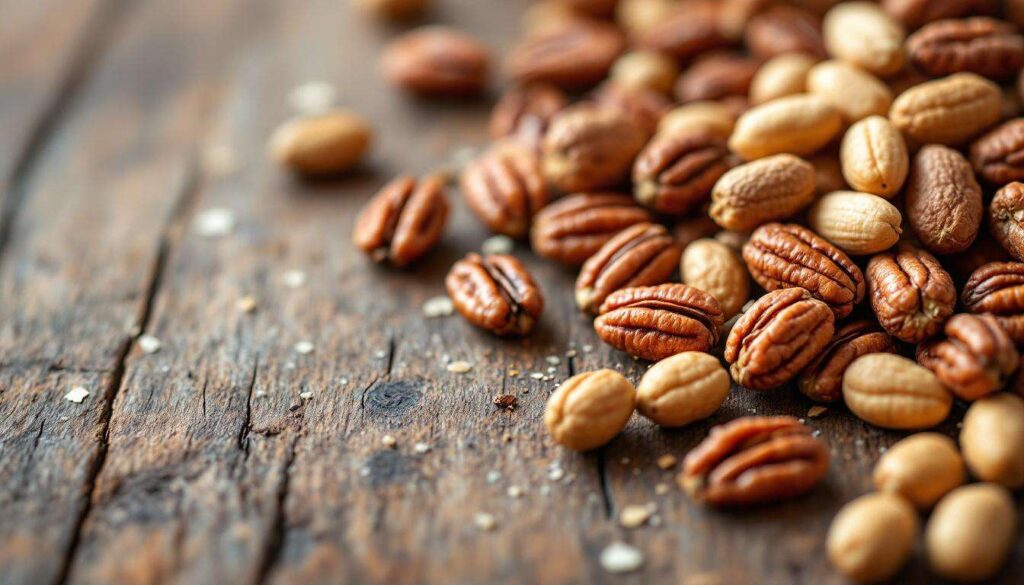
When it comes to choosing snacks that support cardiovascular wellness, nuts frequently emerge as nutritional powerhouses. Both pecans and peanuts offer distinct profiles that can influence heart health and cholesterol levels in meaningful ways. Understanding the differences between these two popular options helps consumers make informed dietary choices that align with their health goals. While pecans boast rich concentrations of heart-protective compounds, peanuts deliver impressive protein content alongside essential vitamins. Examining their nutritional compositions, cardiovascular benefits, and practical applications reveals how each nut contributes uniquely to a heart-healthy eating pattern.
Nutritional Differences Between Pecans and Peanuts
Caloric and Macronutrient Composition
The caloric density of these nuts varies considerably, with pecans containing approximately 690 calories per 100 grams compared to peanuts at roughly 567 calories. This difference stems primarily from fat content, as pecans deliver about 72 grams of fat per 100-gram serving, while peanuts provide around 49 grams. However, the quality of these fats matters significantly for cardiovascular health. Pecans contain predominantly monounsaturated and polyunsaturated fats, which are considered beneficial for heart function. Peanuts, meanwhile, excel in protein delivery, offering approximately 25 grams per 100 grams compared to pecans’ modest 9 grams, making them particularly valuable for individuals seeking plant-based protein sources.
Vitamin and Mineral Content
The micronutrient profiles of these nuts reveal striking contrasts that influence their respective health benefits:
- Peanuts contain six times more vitamin E than pecans, providing powerful antioxidant protection
- Vitamin B3 content in peanuts exceeds that of pecans by tenfold, supporting energy metabolism
- Folate levels in peanuts are eleven times higher, crucial for cellular function and cardiovascular health
- Pecans deliver double the manganese found in peanuts, essential for bone health and metabolism
- Pecans possess significantly higher antioxidant concentrations, particularly flavonoids and phenolic compounds
| Nutrient | Pecans (per 100g) | Peanuts (per 100g) |
|---|---|---|
| Calories | 690 kcal | 567 kcal |
| Protein | 9g | 25g |
| Total Fat | 72g | 49g |
| Vitamin E | Lower | 6x higher |
| Manganese | 2x higher | Lower |
These nutritional distinctions create complementary benefits, suggesting that incorporating both nuts into dietary patterns may optimize overall nutrient intake. The superior protein content of peanuts makes them particularly suitable for post-exercise recovery or vegetarian meal planning, while the antioxidant richness of pecans positions them as exceptional defenders against oxidative stress.
Health Benefits of Pecans for Heart Health
Cholesterol-Lowering Mechanisms
Pecans have earned recognition from the American Heart Association with their “Heart-Healthy Food” certification, reflecting substantial scientific evidence supporting their cardiovascular benefits. Research demonstrates that pecans effectively reduce both total cholesterol and low-density lipoprotein (LDL) cholesterol, commonly known as “bad” cholesterol. The mechanisms behind these effects involve multiple bioactive compounds working synergistically. The monounsaturated fatty acids in pecans help improve lipid profiles by replacing saturated fats in the diet, while their fiber content binds to cholesterol in the digestive tract, facilitating its elimination before absorption.
Antioxidant and Anti-Inflammatory Properties
The antioxidant capacity of pecans ranks among the highest of all tree nuts, providing substantial protection against cardiovascular disease development:
- Flavonoids in pecans reduce oxidative damage to arterial walls
- Phenolic compounds decrease inflammation markers associated with atherosclerosis
- Vitamin E and selenium work together to protect LDL cholesterol from oxidation
- Plant sterols compete with cholesterol absorption in the intestines
- Gamma-tocopherol provides unique anti-inflammatory benefits distinct from other vitamin E forms
Studies indicate that regular pecan consumption can reduce cardiovascular disease incidence by significant margins, with some research showing reductions in CVD-related mortality by up to 25 percent. The anti-inflammatory effects extend beyond cholesterol management, influencing blood pressure regulation and endothelial function, both critical factors in maintaining cardiovascular wellness. These multifaceted benefits position pecans as valuable dietary components for individuals seeking comprehensive heart protection.
Advantages of Peanuts for Cholesterol
Protein-Rich Cholesterol Management
While peanuts contain less total fat than pecans, their nutritional composition offers distinct advantages for cholesterol control. The substantial protein content in peanuts contributes to satiety, potentially reducing overall caloric intake and supporting weight management, both crucial factors in maintaining healthy cholesterol levels. Peanuts also contain significant amounts of resveratrol, a compound associated with improved cardiovascular function and cholesterol regulation. The arginine content in peanuts serves as a precursor to nitric oxide, which helps relax blood vessels and improve circulation, indirectly supporting healthy cholesterol metabolism.
Vitamin E and Niacin Contributions
The exceptional vitamin content in peanuts provides specific mechanisms for cholesterol improvement:
- Vitamin E prevents LDL cholesterol oxidation, reducing arterial plaque formation
- Niacin (vitamin B3) raises HDL cholesterol while lowering triglycerides
- Folate reduces homocysteine levels, an independent cardiovascular risk factor
- Magnesium supports healthy blood pressure and vascular function
- Phytosterols in peanuts block dietary cholesterol absorption
Research confirms that moderate peanut consumption reduces bad cholesterol when incorporated into balanced eating patterns. The combination of protein, healthy fats, and bioactive compounds creates a synergistic effect that supports multiple aspects of cardiovascular health simultaneously. These benefits occur most effectively when peanuts replace less healthy snack options rather than simply adding extra calories to existing dietary patterns.
Comparison of Essential Fatty Acid Contributions
Omega Fatty Acid Profiles
The fatty acid composition of pecans and peanuts reveals important differences that influence their cardiovascular effects. Pecans contain higher proportions of monounsaturated fats, particularly oleic acid, which has been extensively studied for its cholesterol-lowering properties. This fatty acid profile closely resembles that of olive oil, contributing to similar heart-protective benefits. Peanuts, while also containing monounsaturated fats, provide a more balanced ratio of omega-6 to omega-3 fatty acids, though neither nut serves as a significant source of omega-3s compared to walnuts or flaxseeds.
Impact on Lipid Metabolism
| Fatty Acid Type | Pecans | Peanuts | Cardiovascular Impact |
|---|---|---|---|
| Monounsaturated | High | Moderate | Reduces LDL cholesterol |
| Polyunsaturated | Moderate | Moderate | Supports cell membranes |
| Saturated | Low | Low | Minimal negative impact |
| Omega-6 | Present | Higher | Essential but needs balance |
The predominance of unsaturated fats in both nuts contributes to their cardiovascular benefits, though the specific fatty acid distributions create slightly different metabolic effects. Pecans’ higher monounsaturated fat content may provide more direct cholesterol-lowering benefits, while peanuts’ balanced profile supports overall lipid metabolism without dramatically altering cholesterol ratios. Understanding these nuances helps individuals select nuts based on their specific cardiovascular needs and existing dietary patterns.
Recommended Portions for a Balanced Diet
Appropriate Serving Sizes
Despite their health benefits, both pecans and peanuts are calorie-dense foods requiring portion awareness to maximize benefits without contributing to weight gain. Nutritionists typically recommend approximately one ounce (28 grams) as a standard serving, which translates to about 19 pecan halves or roughly 28 peanuts. This portion provides substantial nutrients while maintaining reasonable caloric intake. For individuals monitoring weight or managing diabetes, measuring portions prevents unintentional overconsumption that could counteract cardiovascular benefits.
Integration into Daily Eating Patterns
Effective incorporation strategies ensure nuts contribute to heart health without disrupting dietary balance:
- Replace less healthy snacks with measured portions of nuts rather than adding them to existing intake
- Sprinkle chopped nuts on salads or yogurt to enhance nutrient density of meals
- Use nut butters in moderation, measuring tablespoon portions to control calories
- Combine nuts with fruits or vegetables to increase fiber and reduce caloric density
- Choose unsalted, raw, or dry-roasted varieties to avoid excess sodium and unhealthy oils
The timing of nut consumption may also influence their benefits, with some research suggesting that eating nuts with meals helps moderate blood sugar responses and enhances satiety. Including a variety of nuts throughout the week provides diverse nutrient profiles and prevents dietary monotony while supporting cardiovascular health through multiple mechanisms.
Choosing Between Pecans and Peanuts: what Impact on Your Heart ?
Individual Health Considerations
The optimal choice between pecans and peanuts depends on individual health profiles and specific cardiovascular risk factors. For individuals with elevated LDL cholesterol or family histories of heart disease, pecans may offer more targeted benefits due to their superior cholesterol-lowering properties and antioxidant content. Those seeking to increase protein intake while managing cholesterol may find peanuts more suitable, particularly when replacing animal protein sources. People with diabetes benefit from both nuts due to their low glycemic impact, though portion control remains essential.
Practical Dietary Integration
Rather than viewing these nuts as competing options, the most effective approach involves incorporating both into varied dietary patterns. This strategy provides complementary nutritional benefits while preventing taste fatigue. Alternating between pecans and peanuts throughout the week ensures diverse nutrient intake while supporting heart health through multiple pathways. Both nuts contribute to reduced cardiovascular disease risk when consumed as part of Mediterranean-style or DASH (Dietary Approaches to Stop Hypertension) eating patterns, which emphasize whole foods, healthy fats, and abundant plant-based nutrients.
Cardiovascular health benefits from nuts accumulate with consistent, moderate consumption over time rather than occasional large portions. Both pecans and peanuts deliver meaningful improvements in cholesterol profiles, inflammation markers, and overall heart disease risk when integrated thoughtfully into balanced diets. The choice between them ultimately depends on personal taste preferences, specific health goals, and how they fit within broader nutritional strategies. For most individuals, enjoying both types of nuts in appropriate portions provides optimal cardiovascular protection while delivering diverse flavors and culinary versatility that support long-term dietary adherence.