



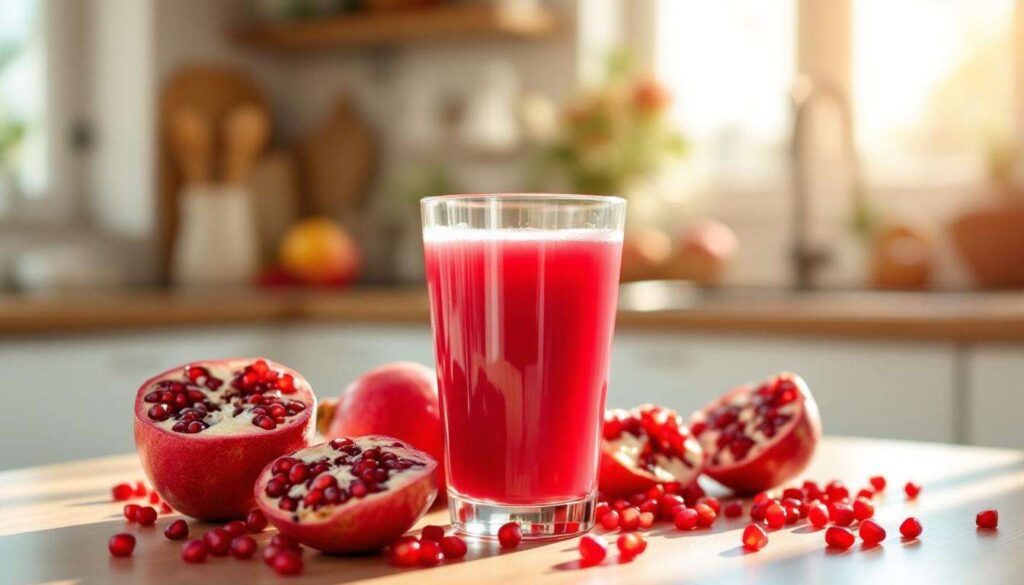
Cardiovascular health remains a critical concern for millions of people worldwide, with high blood pressure affecting approximately one in three adults. Among the natural remedies gaining scientific attention, pomegranate juice has emerged as a powerful ally in supporting heart health and managing blood pressure levels. This ruby-red beverage, extracted from one of nature’s most antioxidant-rich fruits, offers more than just a pleasant taste. Research has consistently demonstrated its potential to improve cardiovascular function, reduce arterial stiffness, and lower blood pressure readings. Understanding not only the benefits but also the optimal timing for consumption can help maximize the therapeutic effects of this ancient superfood in modern wellness routines.
The Benefits of Pomegranate Juice on Blood Pressure
Cardiovascular Protection Through Antioxidant Power
Pomegranate juice contains an exceptional concentration of polyphenols, particularly punicalagins and anthocyanins, which provide remarkable cardiovascular benefits. These compounds work synergistically to protect the heart and blood vessels from oxidative damage, a primary contributor to hypertension and arterial disease. The antioxidant capacity of pomegranate juice exceeds that of many other fruit juices, making it a particularly effective choice for those seeking natural blood pressure management.
Clinical studies have documented measurable reductions in both systolic and diastolic blood pressure following regular pomegranate juice consumption. The mechanisms behind these improvements include:
- Enhanced nitric oxide production, promoting blood vessel relaxation
- Reduced oxidative stress on arterial walls
- Improved endothelial function throughout the vascular system
- Decreased inflammation markers associated with hypertension
Impact on Cholesterol and Arterial Health
Beyond direct blood pressure reduction, pomegranate juice demonstrates significant effects on cholesterol profiles. The beverage helps prevent LDL cholesterol oxidation, a critical step in atherosclerotic plaque formation. By protecting LDL particles from oxidative damage, pomegranate juice reduces the risk of arterial blockages that contribute to elevated blood pressure and cardiovascular events.
| Health Marker | Effect of Regular Consumption |
|---|---|
| Systolic blood pressure | Reduction of 5-12 mmHg |
| LDL oxidation | Decreased by up to 90% |
| Arterial plaque progression | Slowed or reversed |
| Endothelial function | Improved by 17-30% |
These cardiovascular benefits become even more pronounced when pomegranate juice consumption is strategically timed throughout the day to align with the body’s natural rhythms and metabolic processes.
When to Drink Pomegranate Juice for Optimal Heart Health
Morning Consumption for Maximum Absorption
The morning hours represent an ideal window for pomegranate juice consumption, particularly when included with breakfast. After the overnight fasting period, the digestive system is primed for nutrient absorption, allowing the body to efficiently process the bioactive compounds in pomegranate juice. This timing helps stabilize blood sugar levels from the start of the day while delivering antioxidants when the body begins its active metabolic phase.
Morning consumption offers several specific advantages:
- Enhanced nutrient uptake on an empty or lightly filled stomach
- Early delivery of anti-inflammatory compounds before daily stressors
- Support for healthy blood pressure patterns throughout waking hours
- Improved energy levels without the spike-and-crash of caffeinated beverages
Post-Exercise Recovery Benefits
For individuals who engage in physical activity, consuming pomegranate juice after exercise provides targeted benefits for muscle recovery and inflammation reduction. The afternoon or midday workout window, followed by pomegranate juice consumption, allows the anti-inflammatory properties to address exercise-induced oxidative stress and muscle damage. This timing supports cardiovascular recovery while reducing muscle soreness and promoting faster healing.
Evening Consumption Considerations
A smaller serving of pomegranate juice before dinner can serve as a beneficial addition to evening routines, particularly after stressful days. The calming effect of knowing you’re supporting your cardiovascular health, combined with the refreshing taste, makes it an excellent pre-meal beverage. However, moderation is key during evening hours to avoid potential sleep disruption from natural sugars and to maintain healthy caloric intake patterns.
Understanding these optimal timing strategies becomes even more meaningful when examining the specific biological mechanisms through which pomegranate juice exerts its blood pressure-lowering effects.
The Mechanisms of Action of Pomegranate Juice on Blood Regulation
Nitric Oxide Production and Vascular Function
One of the most important mechanisms by which pomegranate juice influences blood pressure involves nitric oxide synthesis. This crucial signaling molecule helps blood vessels relax and dilate, reducing resistance to blood flow and consequently lowering pressure within the arterial system. The polyphenols in pomegranate juice stimulate endothelial cells to produce more nitric oxide while simultaneously protecting existing nitric oxide from degradation by free radicals.
This dual action creates a sustained improvement in vascular tone and flexibility, allowing arteries to respond more effectively to changing circulatory demands throughout the day.
Anti-Inflammatory Pathways
Chronic inflammation plays a central role in hypertension development and progression. Pomegranate juice addresses this issue through multiple anti-inflammatory pathways, including:
- Inhibition of pro-inflammatory enzymes like COX-2
- Reduction of inflammatory cytokines in the bloodstream
- Suppression of NF-kB activation, a key inflammation regulator
- Protection of vascular smooth muscle cells from inflammatory damage
ACE Inhibition Properties
Research has revealed that pomegranate juice exhibits natural ACE inhibitor activity, similar to certain pharmaceutical blood pressure medications. Angiotensin-converting enzyme (ACE) plays a key role in blood pressure regulation by producing angiotensin II, a powerful vasoconstrictor. By partially inhibiting this enzyme, pomegranate juice helps prevent excessive blood vessel constriction and reduces the retention of sodium and water that contributes to elevated blood pressure.
| Mechanism | Primary Effect | Blood Pressure Impact |
|---|---|---|
| Nitric oxide enhancement | Vasodilation | Reduced arterial resistance |
| Anti-inflammatory action | Decreased vascular inflammation | Improved vessel flexibility |
| ACE inhibition | Reduced vasoconstriction | Lower systemic pressure |
| Antioxidant protection | Reduced oxidative stress | Enhanced endothelial function |
These scientific insights provide the foundation for incorporating pomegranate juice effectively into daily health practices that support long-term cardiovascular wellness.
Incorporating Pomegranate Juice into a Healthy Daily Routine
Recommended Daily Amounts
For optimal heart health benefits, research suggests consuming 8 to 12 ounces of pomegranate juice daily. This amount provides sufficient polyphenols and bioactive compounds to produce measurable cardiovascular effects without excessive caloric or sugar intake. Consistency matters more than occasional large doses, as the benefits accumulate with regular consumption over weeks and months.
Practical Integration Strategies
Successfully incorporating pomegranate juice into daily life requires practical approaches that fit individual schedules and preferences. Consider these integration methods:
- Adding pomegranate juice to morning smoothies with leafy greens and berries
- Diluting with sparkling water for a refreshing afternoon beverage
- Using as a base for salad dressings to combine culinary and health benefits
- Freezing into ice cubes for gradual consumption throughout the day
- Pairing with heart-healthy fats like nuts or avocado to enhance absorption
Combining with Other Heart-Healthy Practices
Pomegranate juice works most effectively when integrated into a comprehensive cardiovascular health strategy. Combining regular consumption with other evidence-based practices creates synergistic benefits that exceed what any single intervention can achieve. These complementary practices include regular physical activity, stress management techniques, adequate sleep, and a diet rich in vegetables, whole grains, and healthy fats.
The effectiveness of any health intervention depends significantly on the quality of the product consumed, making careful selection essential for achieving desired results.
Tips for Choosing High-Quality Pomegranate Juice
Reading Labels and Understanding Ingredients
Not all pomegranate juices offer equal health benefits. Pure pomegranate juice without added sugars, artificial flavors, or excessive dilution provides the most concentrated source of beneficial compounds. When examining product labels, look for juice that lists pomegranate as the first and preferably only ingredient. Avoid products labeled as “pomegranate-flavored” or “pomegranate juice cocktail,” as these typically contain minimal actual pomegranate content.
Concentration and Processing Methods
The processing method significantly impacts the nutritional value of pomegranate juice. Cold-pressed or minimally processed varieties retain more antioxidants and bioactive compounds compared to products subjected to high heat or extensive filtering. Some key quality indicators include:
- 100% juice content without water dilution
- No added sugars or sweeteners
- Cold-pressed or gentle extraction methods
- Dark glass bottles that protect from light degradation
- Organic certification to minimize pesticide exposure
Fresh Versus Bottled Options
While fresh-squeezed pomegranate juice offers maximum nutritional benefits, the labor-intensive extraction process makes daily preparation impractical for most people. High-quality bottled options provide a convenient alternative that retains substantial health benefits when properly manufactured and stored. Refrigerated varieties generally contain fewer preservatives than shelf-stable products, though both can be effective when sourced from reputable producers.
| Product Type | Antioxidant Retention | Convenience | Cost |
|---|---|---|---|
| Fresh-squeezed | Highest | Low | High |
| Cold-pressed bottled | High | High | Moderate to high |
| Conventional bottled | Moderate | High | Moderate |
| Concentrate diluted | Variable | Moderate | Low |
While pomegranate juice offers numerous benefits for most individuals, certain populations should exercise caution or consult healthcare providers before regular consumption.
Precautions and Contraindications to Know
Medication Interactions
Pomegranate juice can interact with several common medications, particularly those metabolized by the cytochrome P450 enzyme system. This interaction affects how the body processes certain drugs, potentially increasing their concentration to dangerous levels or reducing their effectiveness. Medications requiring special caution include:
- Blood pressure medications, which may cause excessive lowering when combined
- Statins and other cholesterol-lowering drugs
- Blood thinners like warfarin
- Certain antidepressants and anxiety medications
- Immunosuppressants used after organ transplantation
Blood Sugar Considerations
Despite its health benefits, pomegranate juice contains natural sugars that can impact blood glucose levels. Individuals with diabetes or prediabetes should monitor their response to pomegranate juice consumption and may need to adjust medication dosages accordingly. Consuming the juice with meals rather than on an empty stomach can help moderate blood sugar spikes.
Caloric Content and Weight Management
The caloric density of pomegranate juice requires consideration within overall dietary patterns. An 8-ounce serving typically contains 130-150 calories, which can contribute to weight gain if not accounted for in daily caloric intake. For individuals managing their weight, diluting pomegranate juice with water or limiting portion sizes helps maintain benefits while controlling calories.
Allergic Reactions and Sensitivities
Though relatively rare, some individuals experience allergic reactions to pomegranate. Symptoms may include itching, swelling, difficulty breathing, or digestive discomfort. Anyone experiencing these symptoms should discontinue use immediately and seek medical attention if reactions are severe.
The evidence supporting pomegranate juice as a valuable tool for cardiovascular health continues to strengthen through ongoing research. Regular consumption of 8-12 ounces daily, particularly in the morning hours, provides optimal absorption and sustained benefits for blood pressure management and heart health. The juice works through multiple mechanisms including enhanced nitric oxide production, anti-inflammatory action, and natural ACE inhibition. Selecting high-quality, minimally processed products without added sugars maximizes therapeutic potential. While generally safe for most people, those taking certain medications or managing specific health conditions should consult healthcare providers before incorporating pomegranate juice into their routines. When combined with other heart-healthy lifestyle practices, this ancient fruit offers modern solutions for maintaining cardiovascular wellness naturally.