


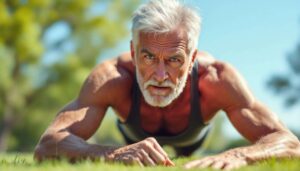
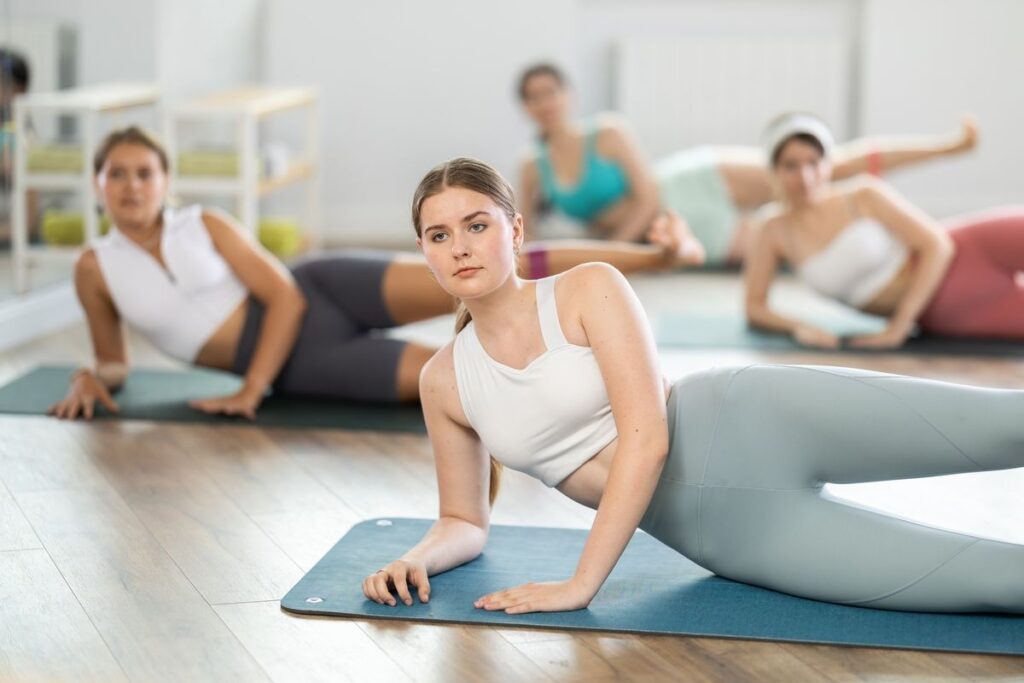
As the body ages, maintaining physical strength becomes increasingly critical for preserving independence and quality of life. According to fitness professionals, one area stands out as particularly vital for older adults: the core. This central powerhouse of the body, encompassing the abdominal muscles, lower back, hips, and pelvis, serves as the foundation for nearly every movement we make. A Pilates instructor emphasizes that strengthening this region should be a priority for anyone over 50, and she recommends three specific exercises to target it effectively.
The importance of body strengthening with age
Understanding the natural aging process
The human body undergoes significant changes as it ages, with muscle mass naturally declining at a rate of approximately 3 to 8 percent per decade after age 30, accelerating after 60. This phenomenon, known as sarcopenia, affects not only muscle size but also strength and function. Beyond muscles, bone density decreases, joints become less flexible, and balance deteriorates, creating a cascade of challenges that can impact daily activities.
The consequences of neglecting strength training
Failing to address age-related physical decline can lead to serious complications:
- Increased risk of falls and fractures
- Loss of independence in performing everyday tasks
- Chronic pain, particularly in the back and joints
- Reduced mobility and flexibility
- Decreased metabolic rate and weight management challenges
Research demonstrates that adults who engage in regular strength training maintain better functional capacity well into their later years. Targeted exercises can reverse or significantly slow the effects of aging, allowing individuals to remain active and self-sufficient longer.
Why resistance training matters for longevity
Strength training offers benefits that extend far beyond aesthetics. For older adults, it serves as a protective measure against numerous health conditions, including osteoporosis, arthritis, diabetes, and cardiovascular disease. The practice also enhances mental health by reducing symptoms of depression and anxiety while improving cognitive function.
| Benefit | Impact on Older Adults |
|---|---|
| Bone density preservation | Reduces fracture risk by 40-50% |
| Balance improvement | Decreases fall risk by 30-40% |
| Metabolic enhancement | Increases resting metabolism by 7-8% |
| Functional capacity | Improves daily task performance by 25-30% |
Understanding these fundamental principles sets the stage for exploring why the core region deserves special attention in any age-appropriate fitness program.
Why focus on the core after 50 ?
The core as the body’s central support system
The core functions as the body’s stabilizing center, connecting the upper and lower body while supporting the spine. Every movement, from standing up from a chair to reaching for an object on a high shelf, originates from or is supported by the core muscles. A weak core forces other muscles and joints to compensate, leading to imbalances, poor posture, and increased injury risk.
Age-related core weakness and its effects
As individuals age, the core muscles often weaken faster than other muscle groups due to decreased activity levels and prolonged sitting. This deterioration manifests in several ways:
- Chronic lower back pain affecting daily comfort
- Difficulty maintaining upright posture
- Reduced balance and coordination
- Increased strain on the spine and surrounding structures
- Limited range of motion in bending and twisting movements
The core’s role in fall prevention cannot be overstated. Strong core muscles provide the stability needed to catch oneself when balance is compromised, potentially preventing serious injuries.
Pilates as an ideal core-strengthening method
Pilates offers a particularly effective approach to core strengthening for older adults. Unlike high-impact exercises that stress joints, Pilates emphasizes controlled movements that engage deep stabilizing muscles. The practice focuses on quality over quantity, promoting proper alignment and breathing patterns that enhance overall body awareness. This mindful approach reduces injury risk while delivering substantial strength gains.
With a clear understanding of why core strength matters so profoundly after 50, examining the specific exercises that deliver results becomes essential.
The essential exercises for a strong core
Selecting movements for maximum impact
Not all core exercises provide equal benefits for older adults. The most effective movements combine several key characteristics: they engage multiple muscle groups simultaneously, can be modified for different fitness levels, require minimal equipment, and pose low injury risk. The three exercises recommended by Pilates instructors meet all these criteria while specifically targeting the deep stabilizing muscles that deteriorate with age.
The three fundamental movements
These exercises form a comprehensive core-strengthening program:
- The roll-down: a controlled spinal articulation exercise that strengthens the abdominals while improving flexibility
- The bird dog: a stability challenge that engages the entire core while promoting balance and coordination
- The forearm plank: an isometric hold that builds endurance in the deep core muscles
Each movement addresses different aspects of core function, creating a balanced approach to strengthening this vital region.
Building a sustainable practice
Consistency matters more than intensity when developing core strength after 50. Beginning with two to three sessions per week allows the body to adapt gradually while minimizing soreness and fatigue. Each session should include all three exercises, performed with attention to form rather than speed or repetition count.
| Exercise | Primary Benefit | Recommended Frequency |
|---|---|---|
| Roll-down | Spinal mobility and abdominal strength | 8-10 repetitions per session |
| Bird dog | Balance and overall core stability | 6-8 repetitions per side |
| Forearm plank | Deep core endurance | 20-30 second holds, 2-3 sets |
Understanding the proper execution of each movement ensures maximum benefit while protecting against injury, beginning with the foundational roll-down.
How to perform the roll-down effectively
Starting position and setup
Begin the roll-down by standing with feet hip-width apart, arms relaxed at the sides. Proper alignment starts with the head positioned over the shoulders, shoulders over hips, and hips over ankles. This neutral stance provides the foundation for controlled movement throughout the exercise.
Executing the movement with precision
The roll-down proceeds through several distinct phases:
- Initiate by tucking the chin toward the chest
- Slowly curl the spine forward, one vertebra at a time
- Allow the arms to hang naturally as the upper body descends
- Continue rolling down as far as comfortable, keeping knees slightly bent
- Pause at the bottom position for one breath
- Reverse the movement, stacking each vertebra from bottom to top
- Return to the starting position with the head arriving last
The key to effectiveness lies in the controlled, sequential movement of the spine rather than simply bending forward at the hips.
Common mistakes and modifications
Many practitioners rush through the roll-down or allow momentum to control the descent. This defeats the purpose of the exercise, which is to strengthen the abdominal muscles through eccentric contraction. For those with limited flexibility or balance concerns, performing the movement while seated on a chair provides similar benefits with added stability. Another modification involves placing hands on thighs for support during the initial learning phase.
Mastering the roll-down prepares the body for the more complex stability challenge presented by the next exercise.
Enhancing stability with the bird dog
Proper setup on hands and knees
The bird dog begins in a tabletop position with hands directly under shoulders and knees under hips. Maintaining a neutral spine throughout the exercise is crucial, meaning the natural curves of the spine remain intact without excessive arching or rounding. The head should align with the spine, eyes gazing downward to avoid neck strain.
The movement sequence
Execute the bird dog through these carefully coordinated steps:
- Engage the core by drawing the navel toward the spine
- Extend the right arm forward to shoulder height
- Simultaneously extend the left leg backward to hip height
- Hold the extended position for 3-5 seconds while breathing normally
- Return arm and leg to starting position with control
- Repeat on the opposite side
The challenge lies not in the extension itself but in maintaining stability while the body’s base of support narrows.
Progression and regression options
For those finding the full bird dog too challenging initially, practicing arm extensions alone or leg extensions alone builds the necessary strength and coordination. As proficiency increases, holding the extended position longer or adding small pulses at the end range provides additional challenge. Some practitioners benefit from performing the exercise against a wall to ensure proper alignment and prevent excessive movement in the hips or shoulders.
Building on the dynamic stability developed through the bird dog, the final exercise introduces an isometric challenge that tests core endurance.
The forearm plank to strengthen your core
Achieving correct plank position
The forearm plank requires precise positioning to maximize benefits while minimizing strain. Begin by lying face-down, then prop the body up on forearms and toes. Forearms should be parallel to each other with elbows directly under shoulders. The body forms a straight line from head to heels, with no sagging in the hips or lifting in the buttocks.
Maintaining proper form during the hold
Several key points ensure effective execution:
- Engage the abdominal muscles by imagining pulling the navel toward the spine
- Squeeze the glutes to prevent lower back sagging
- Keep the neck neutral by gazing at the floor slightly ahead of the hands
- Breathe steadily rather than holding the breath
- Distribute weight evenly across both forearms and feet
Quality of position matters far more than duration, so maintaining proper form for 20 seconds surpasses holding a compromised position for a minute.
Modifications for different fitness levels
Those new to planking or managing joint concerns can modify the exercise by dropping to the knees while maintaining the straight line from head to knees. This reduces the load while still engaging the core effectively. Wall planks, performed at an incline with hands against a wall, offer another gentler variation. As strength improves, practitioners can progress to longer hold times, single-leg variations, or adding gentle rocking movements that challenge stability further.
| Fitness Level | Recommended Hold Time | Sets Per Session |
|---|---|---|
| Beginner | 15-20 seconds | 2-3 sets |
| Intermediate | 30-45 seconds | 3-4 sets |
| Advanced | 60+ seconds | 3-5 sets |
Strengthening the core through targeted Pilates exercises offers older adults a practical pathway to maintaining independence, preventing falls, and enhancing overall quality of life. The three movements outlined provide a comprehensive approach to building the stability and strength needed for daily activities. By focusing on the roll-down for spinal articulation, the bird dog for dynamic stability, and the forearm plank for endurance, individuals over 50 can develop a resilient core that supports healthy aging. Consistency in practice, attention to proper form, and gradual progression ensure sustainable results that extend well beyond the exercise session into every aspect of daily living.