



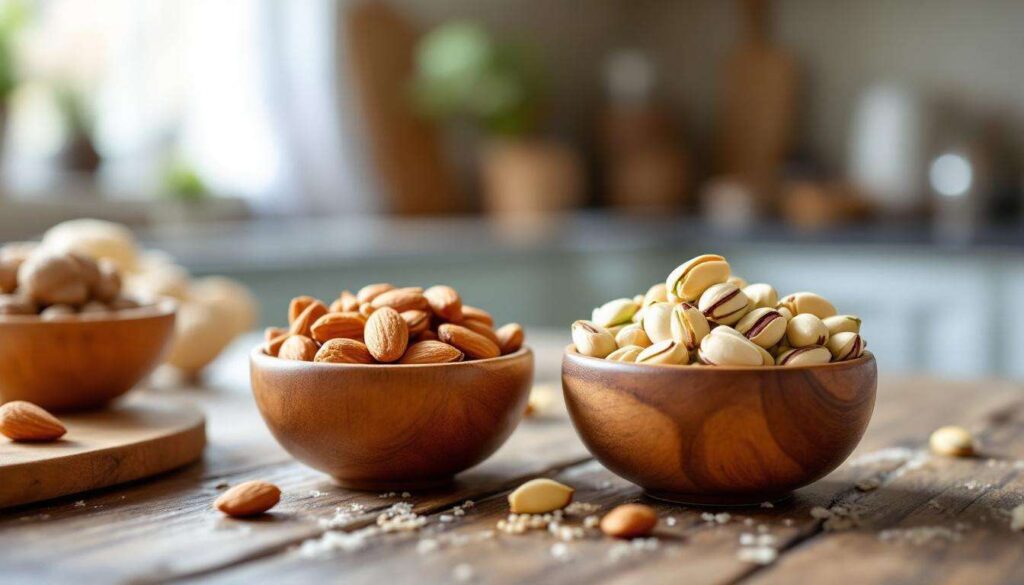
Nuts have long been celebrated as nutritional powerhouses, packed with essential vitamins, minerals, and healthy fats that support overall wellness. Among the most popular varieties, almonds and pistachios stand out for their impressive health profiles, particularly when it comes to cardiovascular function and metabolic regulation. Both nuts offer unique advantages that can help reduce the risk of chronic diseases while providing sustained energy throughout the day. Understanding the specific benefits of each can empower individuals to make informed dietary choices that align with their health goals, whether managing blood sugar levels, supporting heart function, or maintaining a healthy weight.
Nutrition comparison between almonds and pistachios
Caloric content and macronutrient breakdown
When examining the nutritional profiles of almonds and pistachios, both nuts demonstrate remarkable similarity in their caloric density. Almonds contain approximately 164 calories per ounce, while pistachios offer about 160 calories for the same serving size. This minimal difference makes both options suitable for calorie-conscious individuals seeking nutrient-dense snacks.
The macronutrient composition reveals interesting distinctions between these two nuts:
- Almonds provide roughly 6 grams of protein, 14 grams of fat, and 6 grams of carbohydrates per ounce
- Pistachios deliver approximately 6 grams of protein, 13 grams of fat, and 8 grams of carbohydrates per ounce
- Both nuts contain significant amounts of dietary fiber, with almonds offering about 3.5 grams and pistachios providing around 3 grams per serving
Vitamin and mineral content
The micronutrient profiles of almonds and pistachios reveal distinct advantages for each nut. Almonds are exceptionally rich in vitamin E, providing nearly 7.3 milligrams per ounce, which represents approximately 37% of the daily recommended intake. This powerful antioxidant plays a crucial role in protecting cells from oxidative damage and supporting immune function.
Pistachios, while containing less vitamin E, offer a broader spectrum of B vitamins, particularly vitamin B6, which supports brain health and metabolic processes. Additionally, pistachios contain higher levels of potassium compared to almonds, contributing to blood pressure regulation and electrolyte balance.
| Nutrient | Almonds (per ounce) | Pistachios (per ounce) |
|---|---|---|
| Magnesium | 76 mg | 34 mg |
| Vitamin E | 7.3 mg | 0.8 mg |
| Potassium | 208 mg | 291 mg |
| Fiber | 3.5 g | 3 g |
Beneficial compounds and antioxidants
Beyond basic nutrients, both nuts contain bioactive compounds that contribute to their health-promoting properties. Almonds are particularly rich in flavonoids, concentrated primarily in their skin, which work synergistically with vitamin E to provide enhanced antioxidant protection. These compounds help reduce inflammation and combat cellular damage associated with aging and chronic disease.
Pistachios contain higher concentrations of phytosterols, plant compounds structurally similar to cholesterol that can interfere with cholesterol absorption in the digestive tract. With approximately 60 milligrams of phytosterols per ounce, pistachios offer nearly double the amount found in almonds. Additionally, pistachios provide lutein and zeaxanthin, carotenoid antioxidants that support eye health and may reduce the risk of age-related macular degeneration.
The fatty acid composition of both nuts favors heart health, with predominantly monounsaturated and polyunsaturated fats. These nutritional foundations set the stage for understanding how each nut specifically influences cardiovascular function.
Impact of almonds on heart health
Cholesterol management and lipid profiles
Almonds have demonstrated significant effects on cardiovascular risk factors, particularly through their influence on blood lipid levels. Multiple research studies have shown that regular almond consumption can reduce LDL cholesterol, often referred to as “bad” cholesterol, by 3 to 19 percent depending on dosage and duration. This reduction occurs through several mechanisms, including the displacement of saturated fats in the diet and the presence of fiber that binds to cholesterol in the digestive system.
The magnesium content in almonds plays a complementary role in cardiovascular protection. With approximately 76 milligrams per ounce, almonds provide nearly 20% of the daily magnesium requirement. This mineral helps regulate blood pressure by promoting vasodilation and supporting proper electrical signaling in heart muscle cells.
Vascular function and inflammation reduction
The vitamin E in almonds contributes to endothelial health, the inner lining of blood vessels that regulates blood flow and prevents clot formation. By protecting LDL cholesterol from oxidation, vitamin E helps prevent the formation of arterial plaques that can lead to atherosclerosis. This protective effect is enhanced when almonds are consumed with their skin intact, as the flavonoids in the skin work synergistically with vitamin E.
Research indicates that almond consumption can improve several markers of vascular function:
- Enhanced flow-mediated dilation, indicating improved blood vessel flexibility
- Reduced levels of C-reactive protein, a key inflammation marker
- Decreased oxidative stress markers in the bloodstream
- Improved ratio of HDL to LDL cholesterol
Blood pressure regulation
The combination of magnesium, potassium, and healthy fats in almonds creates a favorable environment for blood pressure management. Studies have shown that individuals who consume almonds regularly experience modest but meaningful reductions in both systolic and diastolic blood pressure. The magnesium in almonds acts as a natural calcium channel blocker, helping blood vessels relax and reducing resistance to blood flow.
For individuals with metabolic syndrome or prediabetes, almonds offer additional cardiovascular benefits by improving insulin sensitivity and reducing inflammation. These effects complement their direct impact on heart health, creating a comprehensive protective profile. While almonds excel in cardiovascular support, pistachios offer distinct advantages for metabolic regulation.
The benefits of pistachios for blood sugar control
Glycemic response and insulin sensitivity
Pistachios demonstrate remarkable effects on blood sugar regulation, making them particularly valuable for individuals managing diabetes or prediabetes. The combination of protein, fiber, and healthy fats in pistachios creates a low glycemic response, meaning they cause minimal spikes in blood glucose levels after consumption. This steady release of energy helps maintain stable blood sugar throughout the day.
Research has shown that consuming pistachios with high-carbohydrate meals can significantly reduce the overall glycemic impact of those meals. The mechanisms behind this effect include slowed gastric emptying, reduced carbohydrate absorption, and improved insulin secretion. Studies indicate that adding pistachios to meals can lower post-meal blood glucose levels by 20 to 30 percent compared to meals without nuts.
Protein and fiber content for satiety
The nutrient composition of pistachios supports prolonged satiety, which indirectly benefits blood sugar control by reducing the frequency of eating and preventing overconsumption of refined carbohydrates. With approximately 6 grams of protein and 3 grams of fiber per ounce, pistachios provide sustained energy that helps prevent the hunger-driven blood sugar fluctuations common in poorly managed diabetes.
The act of shelling pistachios also contributes to portion control and mindful eating. The visual cue of empty shells serves as a reminder of consumption, potentially reducing overall intake. This behavioral aspect, combined with the nut’s nutritional properties, creates a comprehensive approach to blood sugar management:
- Slowed digestion and absorption of carbohydrates
- Improved insulin sensitivity in peripheral tissues
- Reduced inflammation associated with insulin resistance
- Enhanced feelings of fullness that prevent overeating
Long-term metabolic benefits
Regular pistachio consumption has been associated with improvements in hemoglobin A1C, a marker of long-term blood sugar control. Studies involving individuals with type 2 diabetes have demonstrated that incorporating pistachios into daily dietary patterns can lead to reductions in A1C levels of 0.3 to 0.5 percentage points over several months. While this may seem modest, such improvements can significantly reduce the risk of diabetes-related complications.
The phytosterols and antioxidants in pistachios also contribute to metabolic health by reducing oxidative stress and inflammation, both of which play central roles in the development of insulin resistance. These compounds help protect pancreatic beta cells, the specialized cells responsible for insulin production, from damage caused by chronic high blood sugar levels.
Understanding these specific benefits helps clarify which nut might be most appropriate for individual health concerns, though both offer substantial advantages for cardiovascular wellness.
Choosing between almonds and pistachios for better cardiovascular health
Individual health considerations
The decision between almonds and pistachios should be guided by specific health priorities and existing conditions. For individuals primarily concerned with cholesterol management and vascular health, almonds may offer a slight advantage due to their higher vitamin E content and proven track record in reducing LDL cholesterol. The magnesium in almonds also provides particular benefits for those dealing with hypertension or muscle cramping.
Conversely, individuals managing blood sugar issues alongside cardiovascular concerns may find pistachios more beneficial. The combination of blood sugar stabilization and cholesterol reduction makes pistachios an excellent choice for those with metabolic syndrome, a cluster of conditions that increase heart disease risk. The higher phytosterol content in pistachios specifically targets cholesterol absorption, offering a complementary mechanism to the fiber-based effects found in both nuts.
Practical considerations for selection
Beyond nutritional differences, several practical factors influence nut selection:
- Cost: pistachios typically cost more per pound than almonds, which may affect long-term adherence
- Preparation: shelled pistachios require more time to eat, promoting mindful consumption
- Versatility: almonds blend more easily into recipes and can be consumed in various forms
- Allergies: individuals with tree nut allergies must consider cross-reactivity and personal tolerance
- Taste preferences: personal enjoyment increases likelihood of consistent consumption
The case for variety
Rather than choosing exclusively between almonds and pistachios, nutritional science supports incorporating both nuts into a balanced dietary pattern. Each nut provides unique phytonutrients and bioactive compounds that work through different mechanisms to support cardiovascular and metabolic health. Rotating between different nuts ensures a broader spectrum of beneficial nutrients and prevents dietary monotony.
For optimal health outcomes, consider consuming a mix of nuts throughout the week, adjusting proportions based on individual health goals. This approach maximizes nutritional diversity while allowing flexibility for personal preferences and practical constraints. With these selection principles established, the next consideration involves practical strategies for incorporating these beneficial nuts into daily eating patterns.
How to incorporate almonds and pistachios into your diet
Recommended serving sizes and frequency
Health organizations recommend consuming approximately one ounce of nuts daily, which translates to about 23 almonds or 49 pistachios. This serving size provides substantial health benefits without contributing excessive calories that might interfere with weight management goals. For individuals seeking more intensive therapeutic effects, such as significant cholesterol reduction, some studies have used doses up to 1.5 ounces daily, though this should be balanced against overall caloric needs.
The timing of nut consumption can influence their metabolic effects. Consuming nuts as a mid-morning or mid-afternoon snack helps stabilize blood sugar between meals and prevents the energy crashes that often lead to poor food choices. Adding nuts to breakfast can improve satiety throughout the morning, potentially reducing overall daily caloric intake.
Creative ways to enjoy nuts
Beyond simple snacking, almonds and pistachios can be integrated into meals in numerous delicious and nutritious ways:
- Chop and sprinkle over salads for added crunch and nutritional value
- Blend into smoothies for creaminess and sustained energy
- Use as a coating for fish or chicken instead of breadcrumbs
- Incorporate into homemade granola or energy bars
- Add to oatmeal or yogurt for enhanced texture and nutrition
- Grind into nut butter for spreading on whole grain toast
- Mix into vegetable dishes or grain bowls
Storage and preparation tips
Proper storage ensures that nuts retain their nutritional value and freshness. The healthy fats in almonds and pistachios can become rancid when exposed to heat, light, or oxygen for extended periods. Store nuts in airtight containers in cool, dark locations, or refrigerate them to extend shelf life to several months. Freezing nuts can preserve them for up to a year without significant quality loss.
When selecting nuts, choose unsalted varieties to avoid excessive sodium intake, which can counteract some cardiovascular benefits. Raw or dry-roasted nuts without added oils provide the cleanest nutritional profile. For those who prefer roasted nuts, light roasting at home allows control over added ingredients while enhancing flavor through the Maillard reaction.
These practical integration strategies make it easier to consistently consume nuts as part of a heart-healthy dietary pattern, maximizing their potential to support cardiovascular function and metabolic wellness.
Nourishing your heart and stabilizing blood sugar with nuts
Both almonds and pistachios offer substantial benefits for cardiovascular health and blood sugar regulation, though each nut provides distinct advantages. Almonds excel in delivering vitamin E and magnesium, supporting vascular health and cholesterol management. Pistachios stand out for their blood sugar stabilizing effects and higher phytosterol content, making them particularly valuable for individuals managing metabolic concerns. The nutritional profiles of both nuts support heart health through multiple mechanisms, including improved lipid levels, reduced inflammation, and enhanced vascular function. Rather than choosing one over the other, incorporating both nuts into a varied, balanced diet provides the broadest spectrum of health benefits. A daily serving of approximately one ounce, whether consumed as a snack or integrated into meals, can contribute meaningfully to long-term cardiovascular and metabolic wellness. Individual health priorities, personal preferences, and practical considerations should guide specific choices, but the consistent consumption of tree nuts remains a cornerstone of evidence-based nutritional strategies for disease prevention and health optimization.