



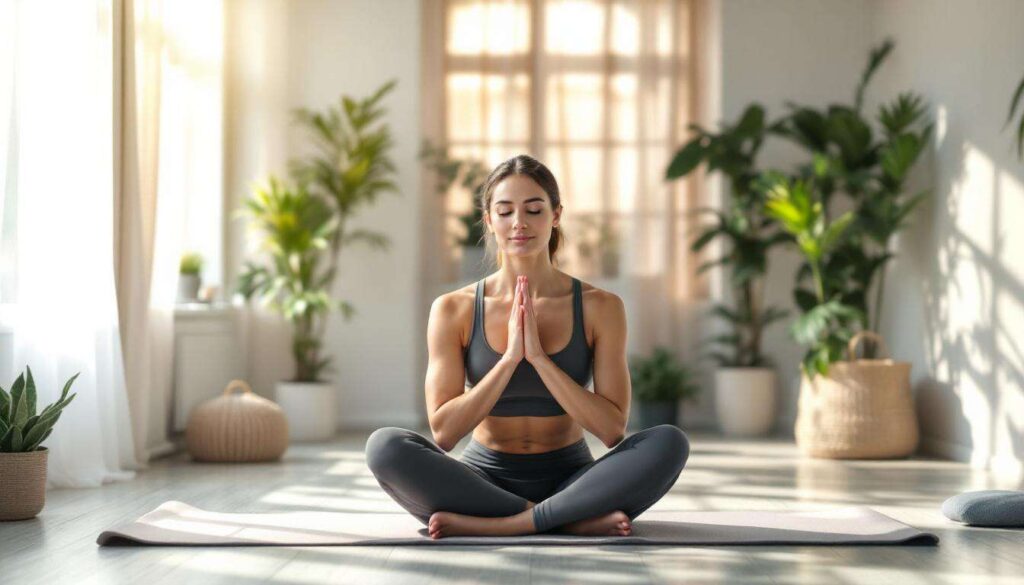
Stiffness in the shoulders and upper back has become an increasingly common complaint among people who spend hours hunched over keyboards and mobile devices. As someone who teaches yoga daily, I’ve witnessed countless students walk into class with visible tension etched across their shoulder blades and necks. The good news is that targeted stretching can provide remarkable relief, and there’s one particular pose I turn to repeatedly when my own muscles start to tighten from the demands of teaching and demonstrating postures throughout the day.
Understanding tension in the shoulders and back
The root causes of muscular stiffness
Shoulder and upper back tension rarely appears without reason. Poor posture stands as the primary culprit, particularly among those who work at desks or frequently check their phones. When we slouch forward, the muscles surrounding the shoulder blades and neck work overtime to support the weight of our heads, which can weigh between ten and twelve pounds.
Several factors contribute to this persistent discomfort:
- Prolonged sitting in non-ergonomic positions
- Repetitive movements that strain specific muscle groups
- Stress and emotional tension that manifest physically
- Lack of regular movement and stretching
- Weak core muscles that fail to support proper alignment
How tension affects daily life
Chronic stiffness in the upper body doesn’t just cause physical discomfort. It can lead to headaches, reduced range of motion, and even impact breathing patterns. Many people don’t realize how much their quality of life suffers until they experience relief from these symptoms. The interconnected nature of our muscular system means that tension in one area often creates compensatory problems elsewhere in the body.
Understanding these underlying causes helps us appreciate why targeted stretching proves so effective in addressing the problem at its source.
The benefits of yoga for relieving pain
Why yoga works for muscular tension
Yoga offers a holistic approach to managing physical discomfort that extends beyond simple stretching. The practice combines physical postures with breath work and mindful awareness, creating a powerful tool for releasing tension. Unlike isolated stretches, yoga poses engage multiple muscle groups simultaneously while promoting relaxation through controlled breathing.
| Yoga Benefit | Impact on Tension |
|---|---|
| Improved circulation | Delivers oxygen and nutrients to tight muscles |
| Enhanced flexibility | Reduces stiffness and increases range of motion |
| Stress reduction | Decreases cortisol levels that contribute to tension |
| Body awareness | Helps identify and correct postural habits |
The mind-body connection in pain relief
What makes yoga particularly effective is its emphasis on the mind-body connection. When we hold tension in our shoulders, it’s often accompanied by mental stress. Yoga addresses both aspects simultaneously, teaching practitioners to breathe through discomfort and release both physical and emotional holding patterns. This dual approach creates lasting change rather than temporary relief.
Among the many yoga poses available for shoulder relief, one stands out for its accessibility and effectiveness.
Favorite stretch: description and benefits
Introducing the Eagle Arms pose
The Eagle Arms pose, known in Sanskrit as garudasana, has become my go-to recommendation for anyone struggling with shoulder and upper back stiffness. This pose specifically targets the muscles between the shoulder blades, an area where many people hold significant tension. What makes it particularly valuable is that it requires no equipment and can be performed virtually anywhere, whether sitting at a desk or standing in line.
Specific benefits of Eagle Arms
This deceptively simple pose delivers impressive results through its unique arm positioning. The crossing action creates a deep stretch across the upper back while simultaneously releasing tension in the shoulders. Students often report feeling immediate relief as the pose gently separates the shoulder blades and stretches the rhomboid muscles.
Key advantages include:
- Targets hard-to-reach muscles between the shoulder blades
- Improves flexibility in the shoulder joints
- Releases tension from computer and phone use
- Enhances posture awareness
- Can be modified for different flexibility levels
- Provides both physical and mental relaxation
The beauty of this stretch lies in its simplicity and the speed with which practitioners feel its effects.
How to perform the stretch for maximum effectiveness
Step-by-step instructions
To perform Eagle Arms correctly, begin by finding a comfortable seated or standing position. No special equipment is necessary, making this an ideal stretch for office breaks or home practice. Start by taking a deep breath and raising your arms out to the sides until they reach shoulder height.
As you exhale, bring your arms forward in front of your chest. Inhale again and bend both elbows to create right angles with your arms. On your next exhale, cross your right elbow over your left, bringing the elbows as close together as possible. If your flexibility allows, wrap your forearms around each other until you can grasp the base of your right thumb with your left hand. If this proves too challenging, simply press the backs of your hands together.
Proper alignment and breathing
Once your arms are positioned, gently move your hands away from your face while lifting your elbows slightly. Keep your shoulders drawn down away from your ears, resisting the temptation to hunch them upward. This alignment ensures the stretch targets the intended muscles effectively.
Hold this position for three to five deep breaths, focusing on expanding your breath into your upper back. You should feel a pleasant stretching sensation between your shoulder blades. To release, slowly unwind your arms and perform several shoulder rolls both forward and backward. Repeat the entire sequence with your left elbow crossed over your right to maintain balance in your body.
Proper technique matters, but so do the subtle adjustments that enhance your practice.
Yoga teacher’s tips for an optimal stretch
Common mistakes to avoid
After years of teaching this pose, I’ve observed several common errors that reduce its effectiveness. The most frequent mistake involves raising the shoulders toward the ears, which actually increases tension rather than releasing it. Keep your shoulder blades sliding down your back throughout the pose.
Other pitfalls to watch for:
- Holding your breath instead of breathing deeply
- Forcing the arm wrap beyond your current flexibility
- Leaning forward or backward rather than maintaining vertical alignment
- Rushing through the pose without holding it long enough
- Forgetting to repeat on both sides equally
Modifications for different levels
Not everyone can achieve the full arm wrap immediately, and that’s perfectly acceptable. Flexibility develops over time with consistent practice. If wrapping your forearms feels impossible, start by simply crossing your elbows and pressing your palms together in a prayer position. You’ll still receive significant benefits from this modified version.
For those with shoulder injuries or severe stiffness, try performing the pose with just one arm at a time, hugging yourself gently to create a similar stretch. Always listen to your body and work within a comfortable range of motion.
Making this stretch a regular habit amplifies its benefits exponentially.
Integrating this stretch into your daily routine
Creating a sustainable practice
The key to lasting relief lies in consistency rather than intensity. I recommend performing Eagle Arms at least twice daily, particularly if you spend significant time sitting. Set reminders on your phone or computer to prompt regular stretch breaks. Even thirty seconds in this pose can interrupt the buildup of tension before it becomes painful.
Ideal times for practice
Certain moments throughout the day offer optimal opportunities for this stretch. Upon waking, it helps counteract any stiffness from sleeping positions. Mid-morning and mid-afternoon breaks combat the effects of prolonged sitting. Before bed, it releases accumulated tension from the day.
Consider these integration strategies:
- Perform the stretch during conference calls when your camera is off
- Practice while waiting for coffee to brew or water to boil
- Include it in your pre-workout warm-up routine
- Use it as a transition between work tasks
- Combine it with other shoulder stretches for a comprehensive routine
Building this simple practice into your daily schedule requires minimal time investment but delivers substantial returns in comfort and mobility.
Shoulder and upper back stiffness doesn’t have to be an inevitable consequence of modern life. The Eagle Arms pose offers an accessible, effective solution that addresses tension at its source while promoting overall body awareness. By understanding the causes of muscular tightness, recognizing yoga’s unique benefits, and committing to regular practice of this targeted stretch, anyone can experience significant relief. The combination of proper technique, mindful breathing, and consistent integration into daily routines creates lasting change that extends far beyond temporary comfort. Whether you’re new to yoga or an experienced practitioner, this simple yet powerful pose deserves a permanent place in your wellness toolkit.